
2026 Harley-Davidson® CVO™ Street Glide® near Greenville, SC
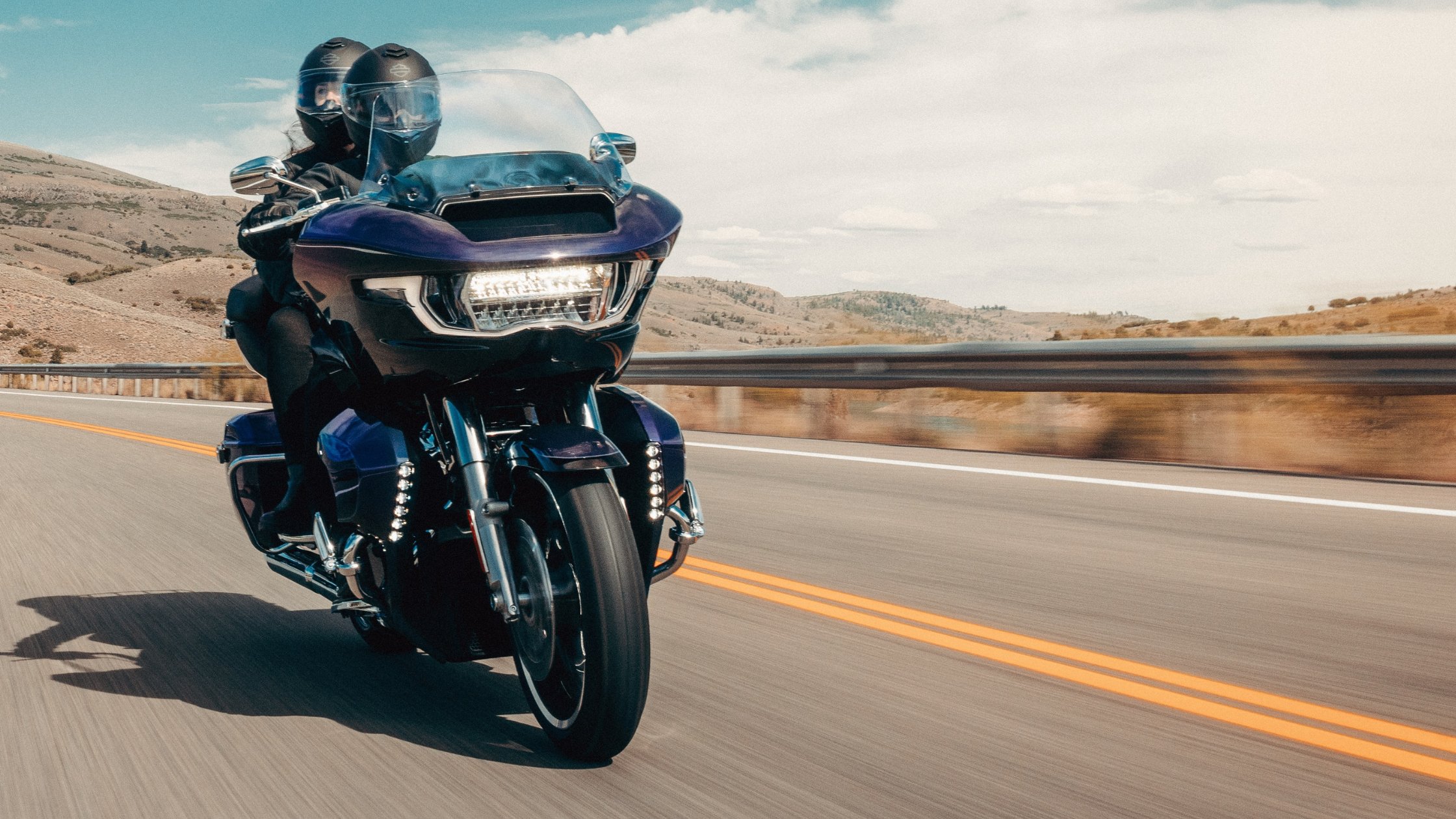
The 2026 Harley-Davidson® CVO™ Street Glide® is engineered as a premium touring motorcycle focused on high-capacity performance, integrated technology, and rider support systems. The model combines a large-displacement V-twin engine with a carefully designed chassis structure, advanced braking control, and a fully digital infotainment interface. Every measurable component reflects a balance between mechanical output, long-distance usability, and rider stability. The motorcycle’s specifications show clear emphasis on torque delivery, structural rigidity, and electronic integration, with dimensions and systems configured to support controlled handling under touring conditions. This article examines the technical configuration in detail, focusing strictly on measurable features and system design.
Engine Architecture and Mechanical Configuration
The 2026 Harley-Davidson® CVO™ Street Glide® uses the Milwaukee-Eight® VVT 121 engine, a pushrod-operated V-twin with overhead valves and hydraulic self-adjusting lifters. The configuration includes four valves per cylinder, contributing to airflow efficiency and stable combustion characteristics. Engine displacement measures 121 cubic inches, equivalent to 1,977 cubic centimeters. Bore and stroke dimensions are 4.075 inches and 4.625 inches, respectively, creating a long-stroke architecture that supports strong low-rpm torque delivery. The compression ratio is specified at 11.4:1, supporting efficient combustion performance under load.
Fuel delivery is managed through Electronic Sequential Port Fuel Injection. This system meters fuel precisely into each cylinder to support smooth throttle response and consistent combustion. The air intake system includes a synthetic felt washable air cleaner designed for durability and airflow consistency. Exhaust gases are routed through a 2-1-2 dual exhaust system, contributing to balanced output and pressure management across the engine cycle. The lubrication system is pressurized and dry-sump based, providing improved oil control and cooling stability during sustained operation. Engine torque is rated at 139 ft-lb at 3,000 rpm, while maximum output reaches 115 horsepower at 4,500 rpm. These figures indicate strong low-end performance combined with steady power availability through the midrange.
Transmission Engineering and Power Transfer
Power from the engine is transferred through a chain-driven primary system configured with a 34/46 ratio. The final drive uses a belt system with a 32/68 ratio, selected to minimize maintenance demands while maintaining reliable torque transfer. The clutch uses a mechanically actuated 10-plate wet design with assist and slip function. Assist operation reduces lever effort during engagement, while slip characteristics help stabilize rear wheel behavior during aggressive downshifts.
The transmission is a 6-speed Cruise Drive® unit designed for controlled acceleration and stable highway operation. Gear ratios progress from a lower first gear ratio of 9.593 through intermediate steps that reduce engine load as speed increases. The sixth gear ratio of 2.875 supports relaxed engine operation at cruising speed. This arrangement allows gradual rpm transitions, contributing to rider control and reducing drivetrain stress during long-distance riding.
Chassis Structure and Frame Design
The frame construction uses mild steel tubing combined with two-piece stamped and welded backbone sections. Cast and forged junctions reinforce critical load areas, while twin down tubes improve structural stability. The rear frame is bolt-on and includes forged fender supports, allowing rigidity while supporting accessory and luggage integration. Welding processes include MIG welding to maintain structural consistency throughout the frame.
The swingarm also uses a mild steel two-piece drawn and welded design with forged junctions. The front suspension uses a 47 mm inverted fork configuration, selected for improved stiffness and front-end stability under braking forces. Rear suspension includes dual adjustable emulsion shocks. The left shock features remote preload adjustment, while the right uses threaded preload adjustment. Suspension travel measures 4.6 inches at the front and 3 inches at the rear, balancing ride comfort with handling control.
Wheelbase length is 64 inches, with a rake angle of 26 degrees and a trail measurement of 6.7 inches. This geometry supports directional stability at higher speeds while maintaining controlled steering response. Ground clearance is specified at 5.5 inches, allowing predictable lean capability in corners.
Dimensions, Capacity, and Structural Measurements
The overall length of the 2026 Harley-Davidson® CVO™ Street Glide® is 94.9 inches, while the overall width measures 38.4 inches and the overall height reaches 53.1 inches. Laden seat height is 26.7 inches, while unladen seat height measures 28.2 inches. These figures position the rider low within the chassis for improved stability during low-speed handling and stopping. Fuel capacity is rated at 6 gallons, with a reserve capacity of approximately 1 gallon managed through the fuel injection warning system.
Oil capacity with a filter is 5 quarts, transmission capacity is 1 quart, and the primary chain case holds approximately 1.1 quarts. Coolant capacity is specified at 0.82 quarts. Weight as shipped is 800 pounds, with running order weight increasing to 838 pounds. Gross vehicle weight rating is listed at 1,360 pounds. Luggage capacity reaches 2.2 cubic feet, supporting extended touring requirements without excessive structural impact.
Wheels, Tires, and Surface Contact
The 2026 Harley-Davidson® CVO™ Street Glide® uses gloss black 9-spoke cast aluminum wheels. The front wheel diameter measures 19 inches with a width of 3.5 inches, while the rear wheel measures 18 inches in diameter and 5 inches in width. Tire specification includes a Dunlop® Harley-Davidson® Series D408F front tire sized at 130/60B19 and a D407T rear tire sized at 180/55B18. These dimensions support stability, traction distribution, and consistent handling characteristics.
Lean angle capability is rated at 32 degrees on both the right and left sides. This uniform angle indicates balanced chassis clearance and suspension configuration. Tire choice and wheel sizing contribute to steering consistency and improved grip during cornering transitions.
Braking Systems and Control Precision
The front braking system features dual floating rotors with a diameter of 12.6 inches and a thickness of 0.18 inches. Calipers are 32 mm four-piston fixed units mounted radially for improved force distribution and controlled pressure application. The rear system includes a fixed rotor measuring 11.8 inches in diameter with a thickness of 0.28 inches and an axially mounted caliper. Dual front brakes enhance stopping performance and heat management during repeated braking events.
Anti-lock Braking System is standard equipment. Electronic Linked Braking distributes braking pressure between front and rear wheels to maintain balance during deceleration. These features are integrated into broader rider control systems designed to improve consistency and stability under varying surface conditions.
Rider Safety Enhancements and Dynamic Assistance
The 2026 Harley-Davidson® CVO™ Street Glide® includes several electronic rider safety systems integrated into the chassis and braking architecture. The traction control system regulates rear wheel slip during acceleration. The drag-torque slip control system helps manage rear wheel behavior when engine braking forces are high. Vehicle Hold Control maintains braking pressure when stopped on inclines, reducing rollback risk. The Tire Pressure Monitoring System provides continuous monitoring of tire inflation status.
Cornering-enhanced systems expand functionality by adapting controls according to lean angle data. Cornering Enhanced ABS adjusts braking response during leaned conditions, while Cornering Enhanced Electronic Linked Braking manages brake force balance in turns. Cornering Traction Control and cornering drag-torque slip control support stability during combined lean and acceleration or deceleration inputs.
Electrical Systems and Lighting Integration
Electrical supply comes from a sealed maintenance-free 12V battery rated at 28 amp-hours with a 405 cold cranking amp specification. Charging is handled by a three-phase 58-amp system capable of delivering up to 754 watts at 13 volts. Starting functionality uses a 1.6 kW electric starter motor with solenoid shift engagement. These specifications support stable power delivery for both ignition and accessory operation.
Lighting throughout the motorcycle uses LED technology, including the headlamp, tail and stop lamps, and front and rear signal lights. LED systems reduce energy consumption while maintaining brightness and operational longevity. Digital gauges are integrated directly into the display interface, minimizing separate instrumentation components. A 15-watt USB-C accessory power outlet located in the media storage compartment provides device charging capability.
Infotainment Systems and Digital Interface
The 2026 Harley-Davidson® CVO™ Street Glide® incorporates the Skyline™ OS infotainment platform displayed through a 12.3-inch full-color TFT screen. The system integrates navigation, vehicle information, and media controls within a single interface. Audio output is powered at 125 watts per channel through four speakers. Speaker configuration includes two 6.5-inch fairing-mounted speakers and two 5x7-inch saddlebag speakers, supporting consistent sound projection.
Connectivity includes Bluetooth® for phone and media playback along with headset integration. Apple CarPlay® compatibility is supported through wireless or wired connection. USB-C and smartphone connectivity allow media playback through external devices using compatible adapters. Navigation functionality is embedded within the system and supported through Wi-Fi hotspot connectivity. Hands-free mobile phone operation and rider-passenger intercom functionality are included with compatible headsets. Digital display integration also allows monitoring of air temperature, oil pressure, and engine idle temperature management data.
Fuel Efficiency and Performance Metrics
Fuel economy is estimated at 45 miles per gallon under combined city and highway testing conditions. Performance measurements follow J1349 testing methodology for torque output and J1168 for lean angle evaluation. These standardized methods provide consistent data comparison across models. The combination of engine displacement, torque output, and transmission gearing supports stable long-distance operation while maintaining controlled fuel usage for a motorcycle of this size and performance category.